Brand identity
Logo placement, label direction and commercial presentation can be reviewed around the selected product.

Build from an existing Wild Forest platform or begin with a defined market and work requirement. We help B2B buyers evaluate the right product, customization and sample path before scale.
Customization is not one fixed menu. Feasible options depend on the selected platform, material, quantity, tooling, standard and target market. The final scope is confirmed after project review.
We focus on commercially useful decisions: how the footwear should look, where it will be used, what must be confirmed and how the range will be presented.
Logo placement, label direction and commercial presentation can be reviewed around the selected product.
Upper, trim and sole colour combinations can be explored for brand or market positioning.
Material and construction options are narrowed against work conditions, target use and project feasibility.
Available sole platforms, appearance and performance requirements are matched at project level.
Box, label and packing presentation can be aligned for distributor or private-label programs.
Not every program needs to start from zero. A clear path helps control development effort, sample evaluation and production readiness.
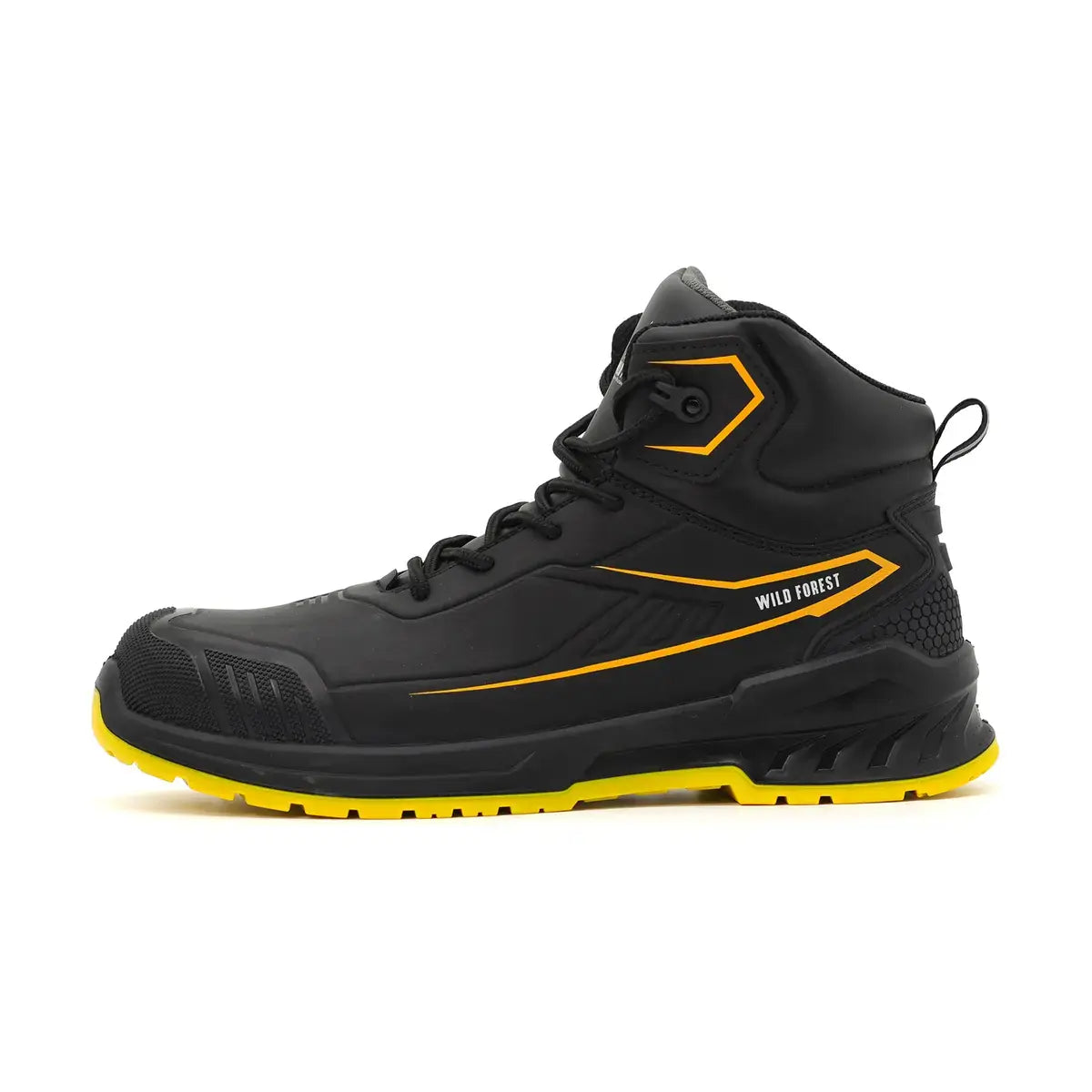
Begin with a proven HEXHIVE, HEXTITAN or HEXVIPER direction, then review branding, colours, materials and presentation.
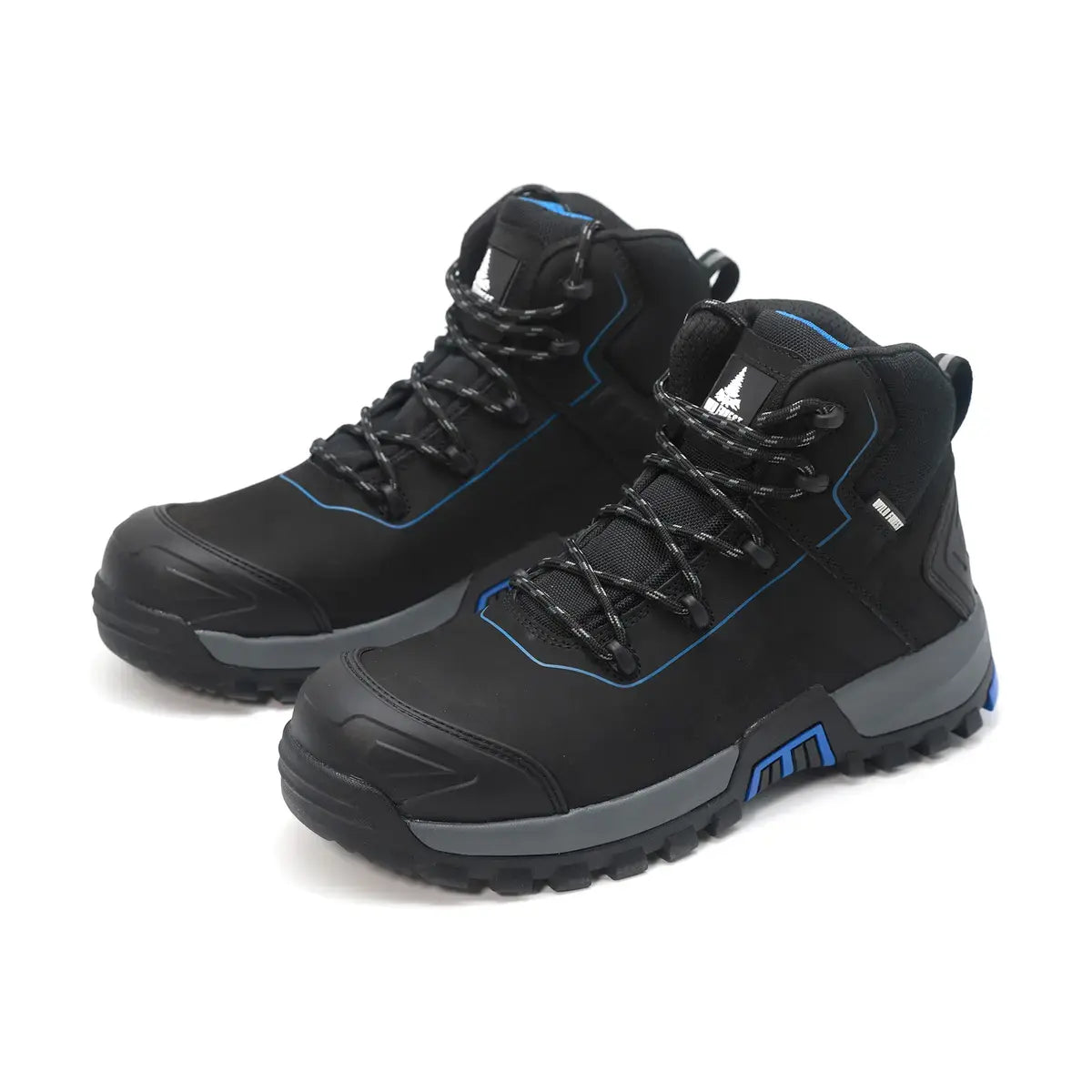
Start from the work environment, market, required standard and target positioning, then evaluate an appropriate development route.
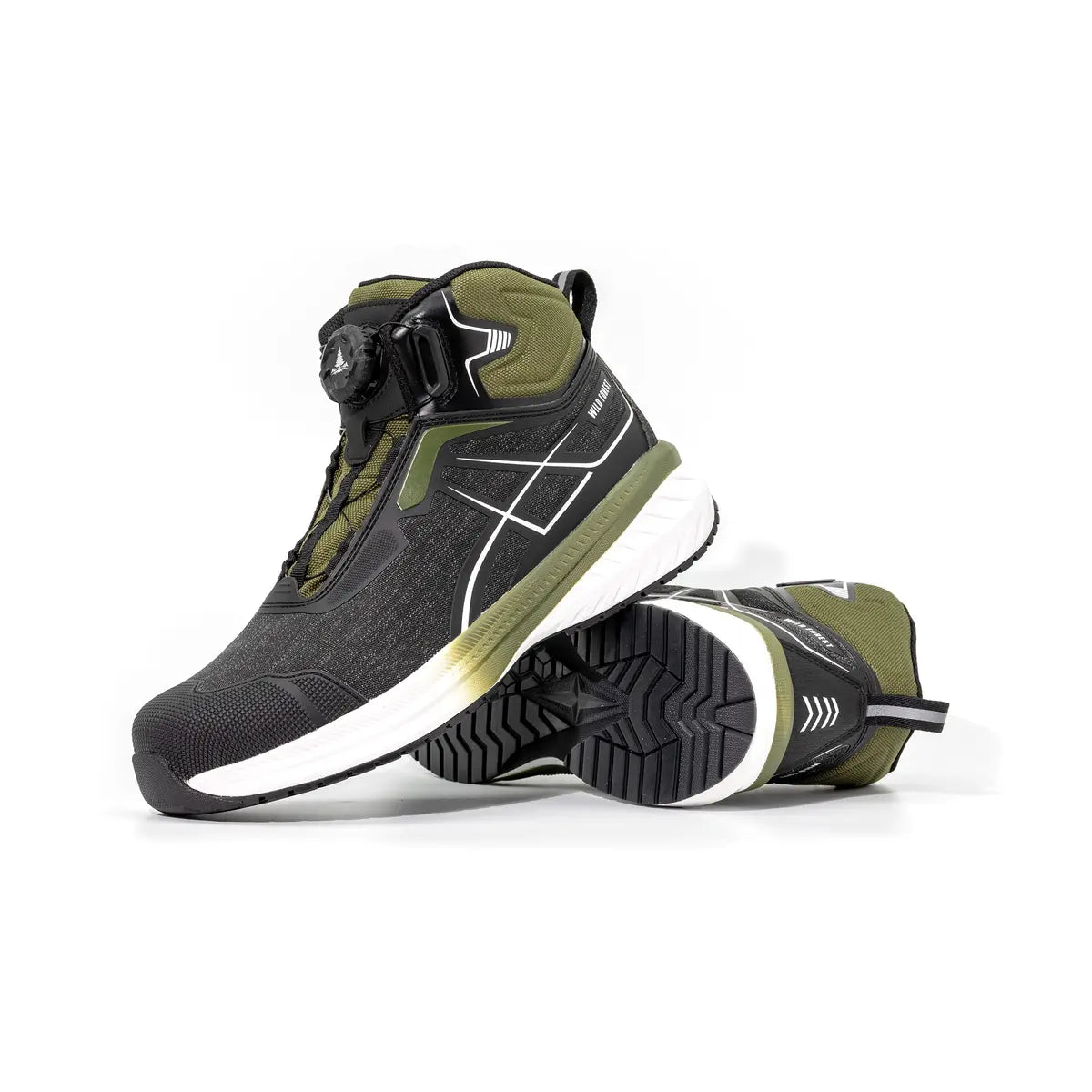
Use a shared brand language across multiple footwear profiles for distributor, retail or repeat purchasing programs.
Each stage closes a different risk: product direction, customization feasibility, sample quality, documentation and production readiness.
Start with your briefShare market, application, target standard, positioning and expected program.
Align the product family, construction route and realistic customization scope.
Review colours, upper, sole, closure, branding and packaging direction.
Check fit, finish, construction details and the confirmed specification.
Close open details, documentation, packing and order requirements.
Coordinate the approved program and export communication for repeat purchasing.
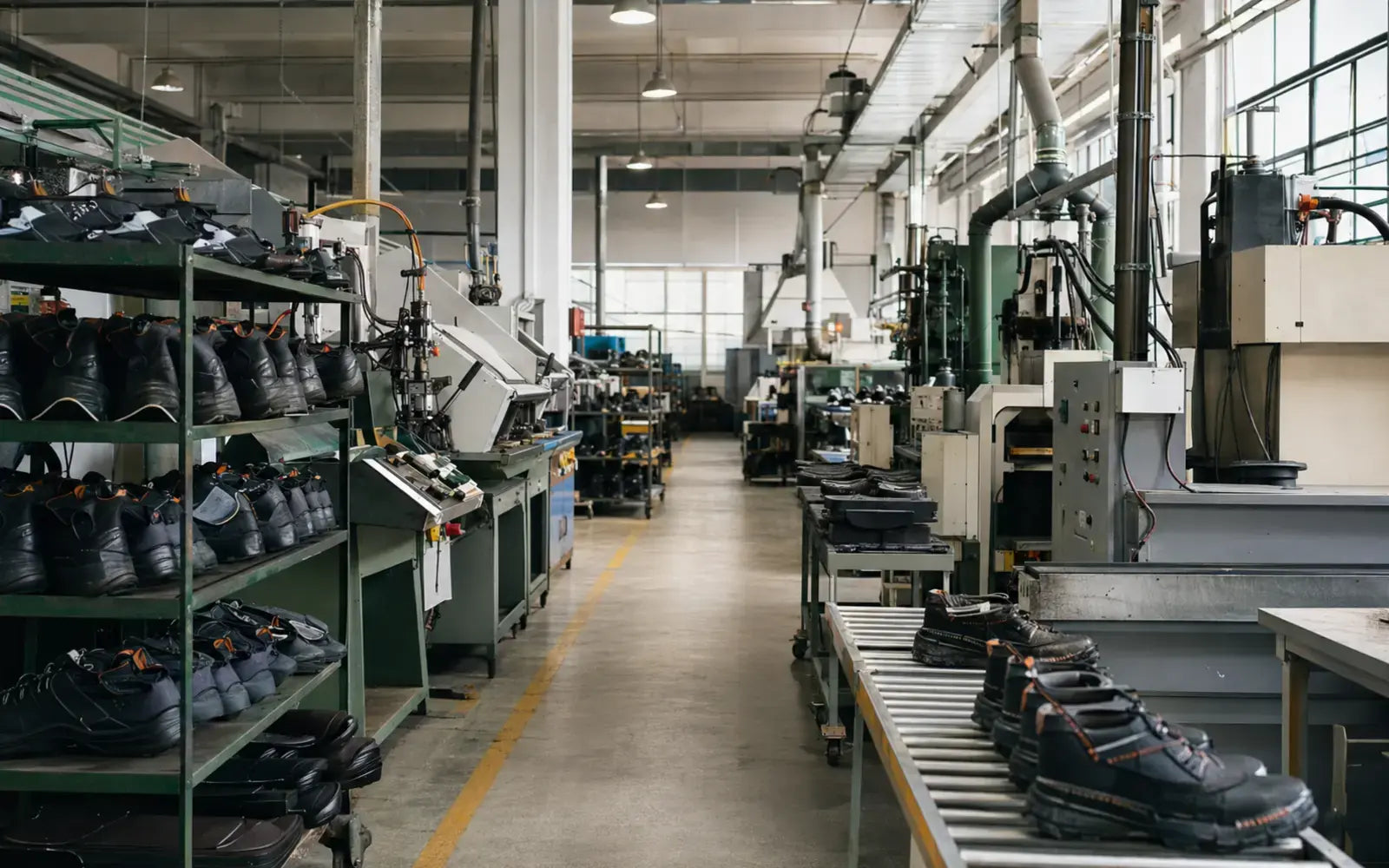
These are real development, manufacturing and laboratory environments. Exact testing and certification requirements are confirmed for the chosen product and market.
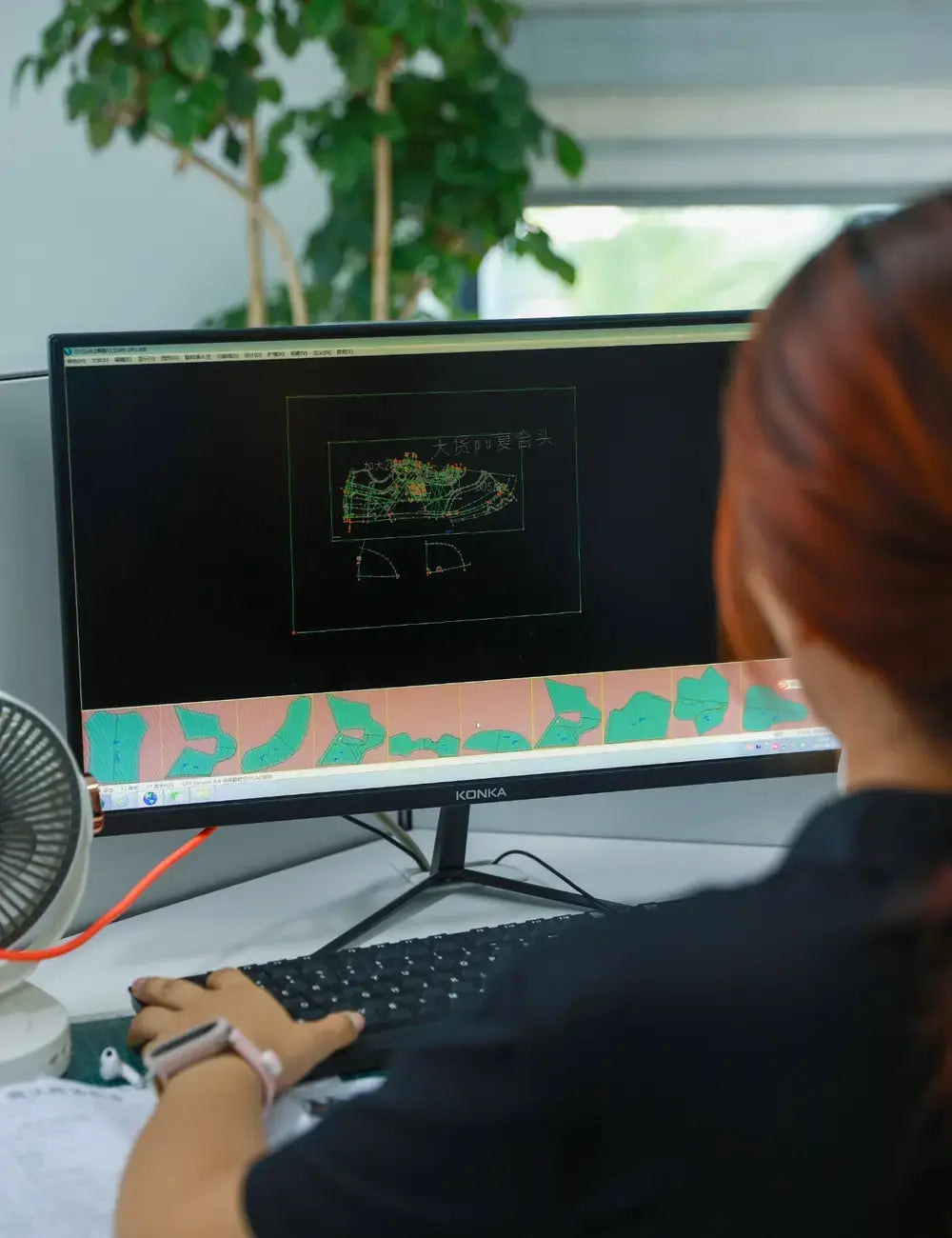
Construction ideas translated into reviewable upper and product details.
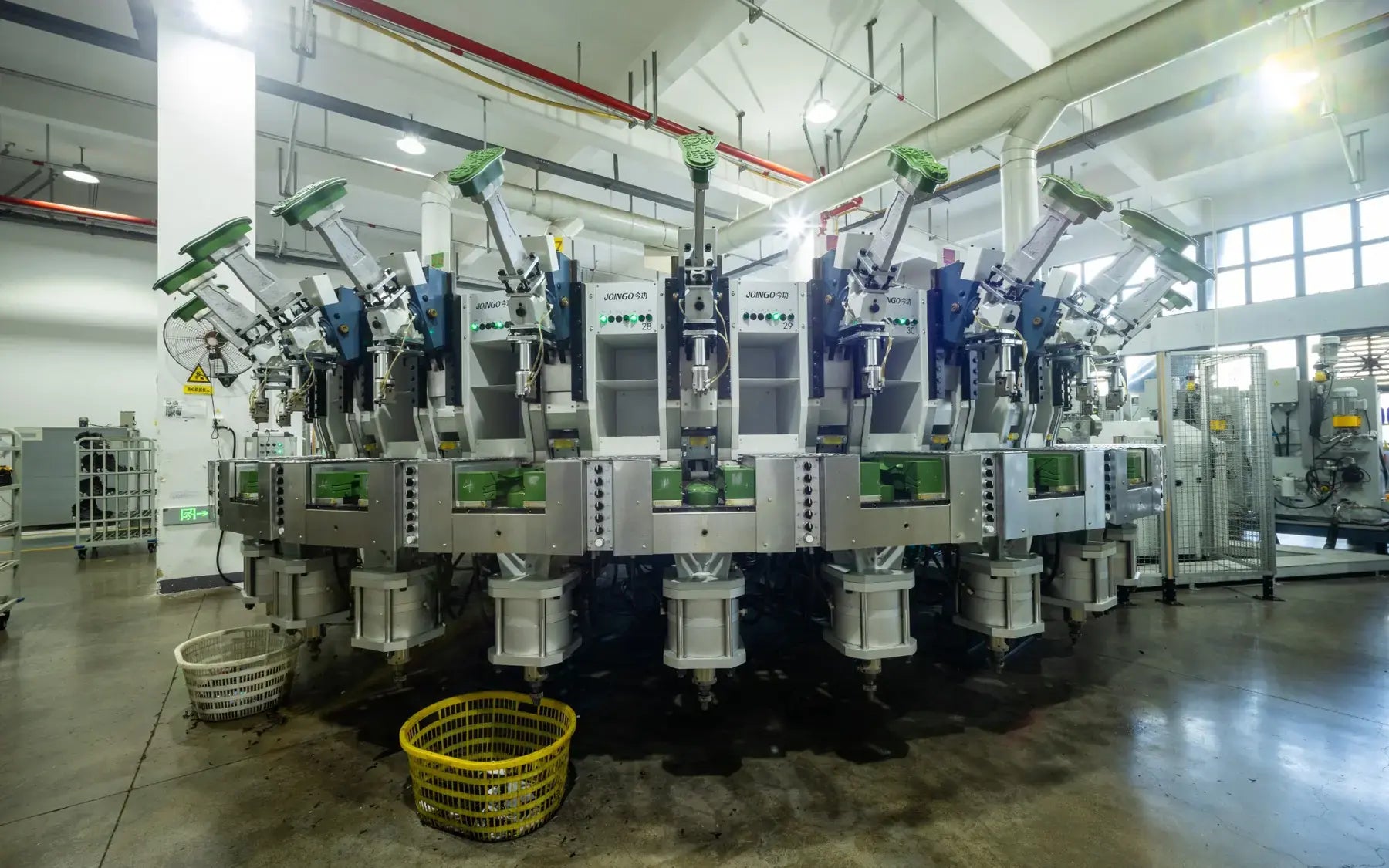
Production equipment supports repeatable sole construction and program review.
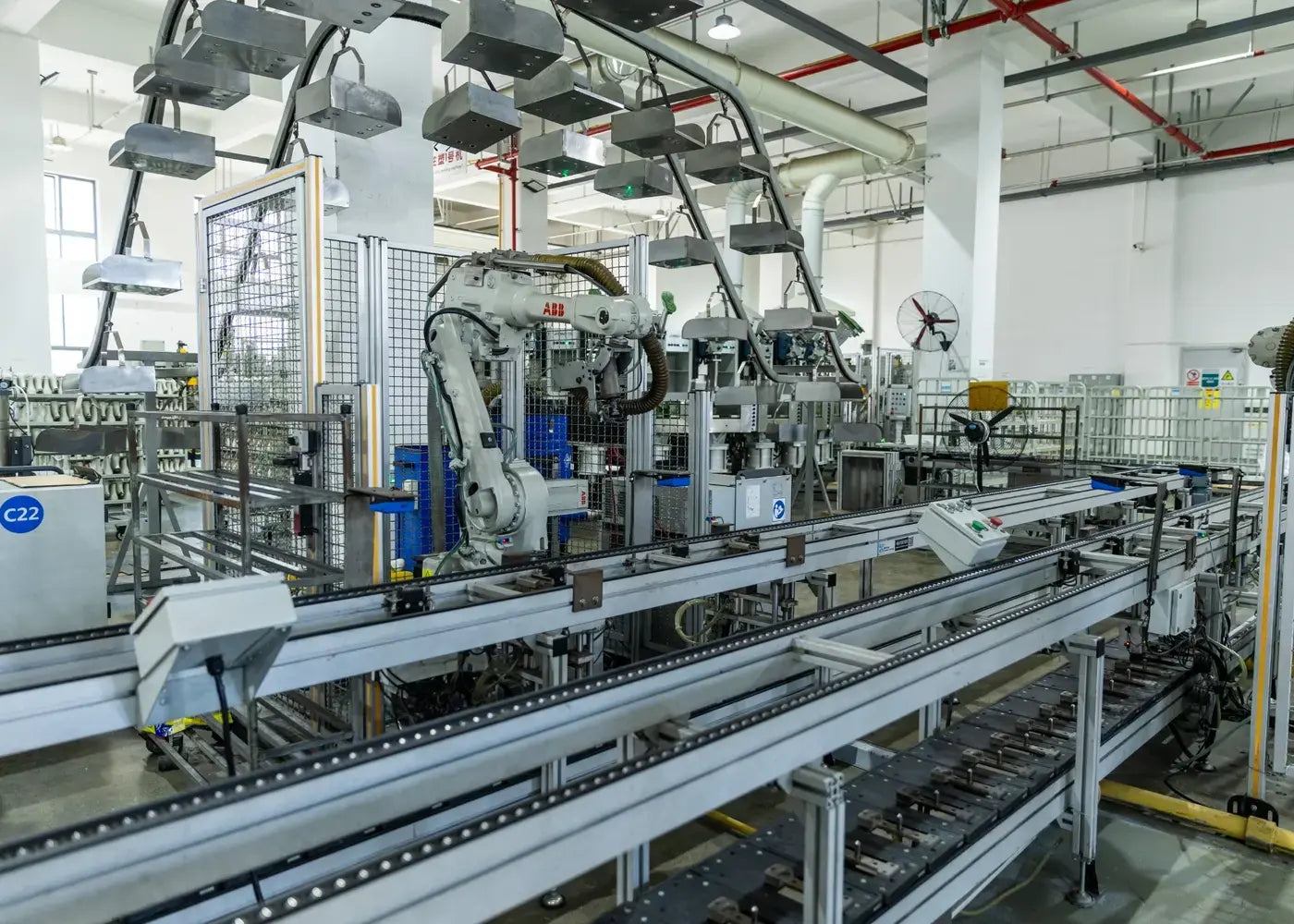
Real manufacturing lines support sample-to-production coordination.
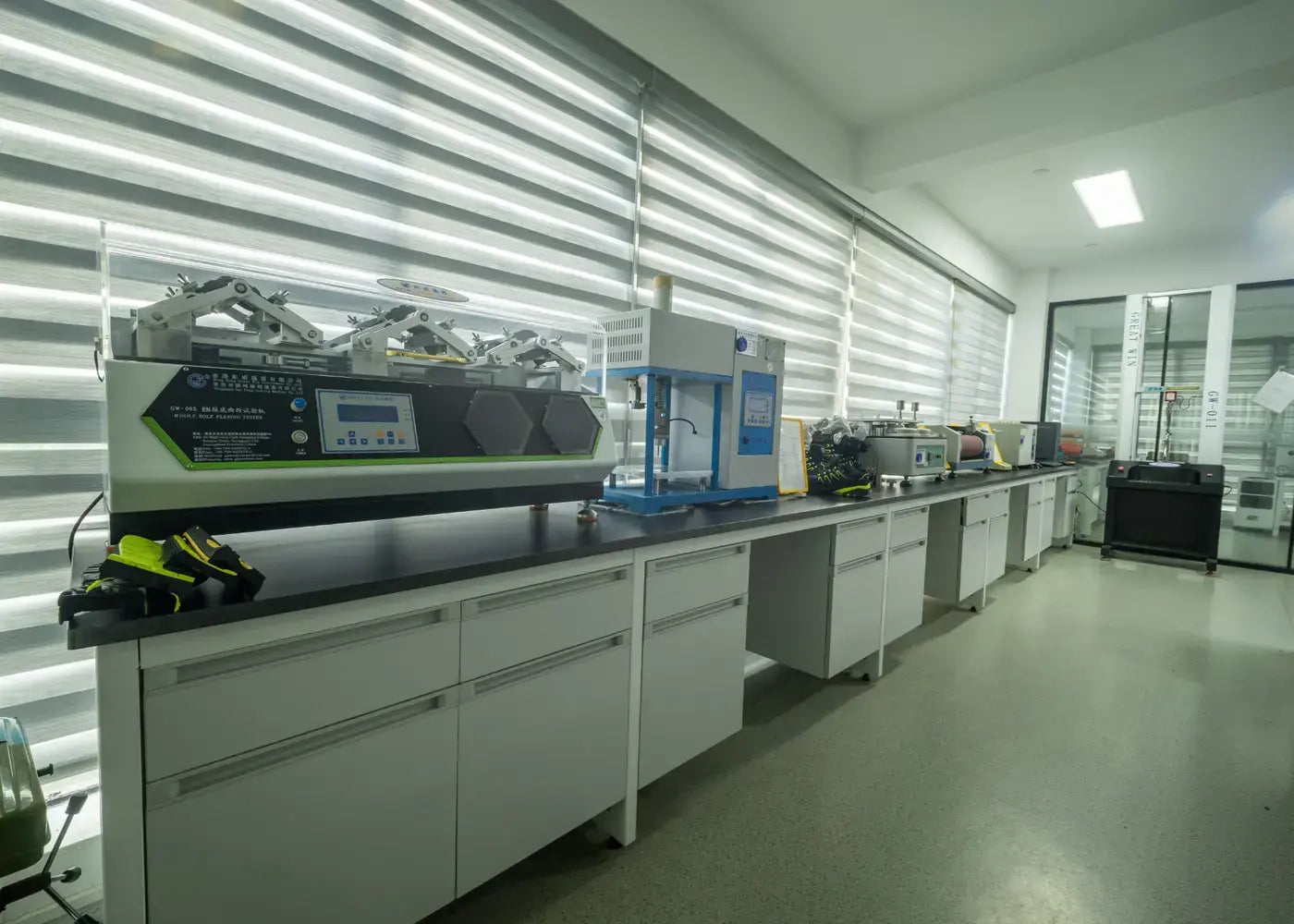
In-house equipment supports material, construction and sample evaluation.
You do not need a finished specification to begin. These six points give the team enough context to recommend the next useful step.
Use one structured enquiry so the export team can review your development route, sample needs and commercial requirements together.
Scan to add WeChat / 扫码添加微信
